
Library of Community Stories
Community Stories Library
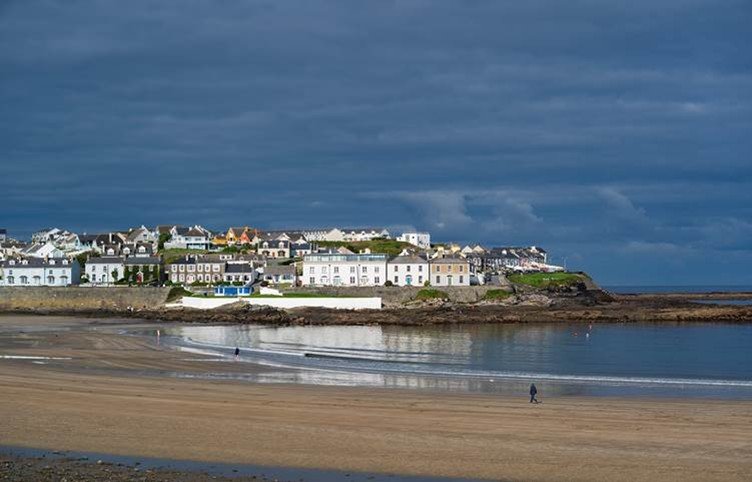
Kilkee and Loop Head DZ
The Loop Head Peninsula has been designated as a Decarbonising Zone (DZ) by Clare County Council. Home to just under 2,900 people, the DZ spans the three westernmost parishes of County Clare: Kilballyowen, Carrigaholt, and Kilkee.
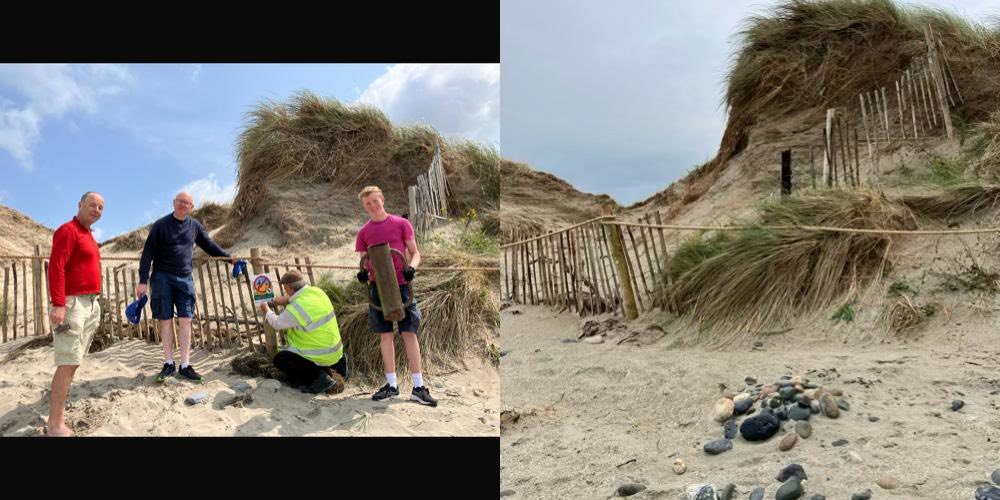
Bertra Beach Project
The Bertra Connected group work on protecting the sand and grass dunes at Bertra Beach, Co Mayo. The dune system on the beach is shrinking rapidly and does not appear to building back up and recovering naturally as it once did. The very popular beach is under pressure from climate change and from over-use for recreation.
The community in Bertra has come together to find ways within nature to preserve these dunes…
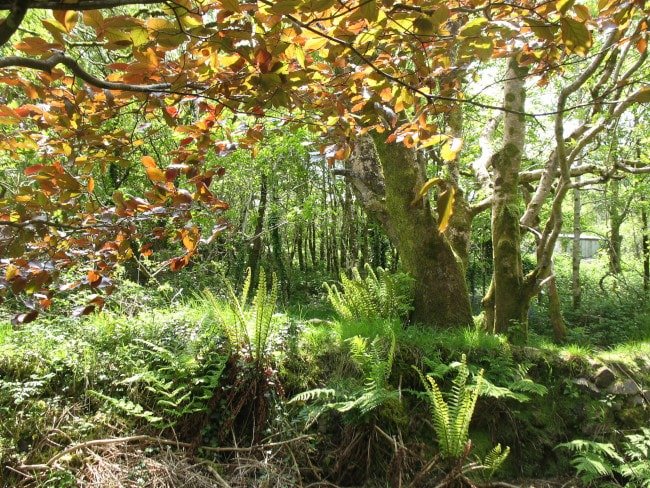
Kerry Earth Education Project’ (KEEP)
From a small organic farm in Ballyseedy a much larger inspirational education project has grown. Ian and Eileen spread the message of permaculture
and sustainable farming. Their farm not only produces healthy food, it also gives spaces where nature can live and grow. They then show how others can follow this sustainable example that cares for people and nature.

Aran Islands DZ (Ceantar Dhícharbónú na hOileáin Árainn)
Galway County Council identified na hOileáin Árann as their decarbonization zone. It is made up by three islands at the mouth of Galway Bay, off the west coast of Ireland, with a total area around 46 km2. From west to east, the islands are Árainn (Inis Mór), which is the largest; Inis Meáin, the second largest; and Inis Oírr. There is a population of 1,347 (as of 2022) and the area is designated as an official Gaeltacht.
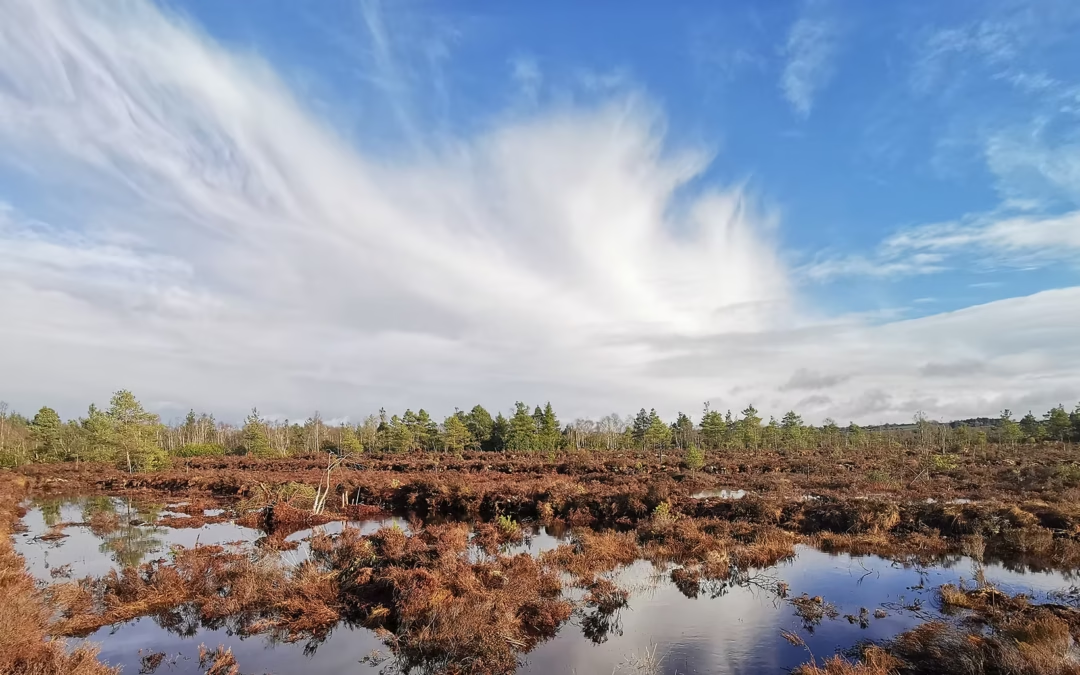
Abbeyleix Bog Project
A local community saw that their bog was being harmed by commercial harvesting of peat for horticulture. They believed this was not in the best interests of local nature and biodiversity. They began a campaign that took eight years to protect the bog with the agreement of the owners. The active raised bog habitat increased by 1,130% from 2009 to 2020. They created a vital local amenity for the community and its visitors.

Togher Community Garden
This garden has made a habitat for nature so that biodiversity has increased in this space so close to the city of Cork. But at the same time it is clear that Mandie, Marie, and everyone else in the project sees how important it is to include many people and groups. “It was a challenge at the start to convince people that the garden wasn’t going to be vandalised and that if it was, then we would just fix the issue not highlight it in the community not to be negative about any vandalism. It was important to include the kids and teenagers…”
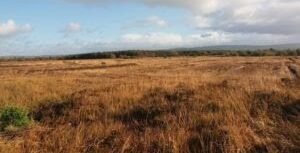
The Lixnaw Bog Conservation Project
The Presentation Sisters of the South West Province who owned a 20 acre bog in Lixnaw allowed it to return to nature. They themselves took on the costs of rewilding. At the same time they made sure to talk to the local people who had access to the bog. Long absent species of bog plants and animals were given a chance to return to what became a wetter bog and therefore a healthier bog.

West Kerry Dairy Farmers Sustainable Energy Community
West Kerry Dairy Farmers set up a Sustainable Energy Community (SEC) in 2020 to cut electricity use and carbon emissions in the dairy sector in the area. Led by local farmer Dinny Galvin, supported by a small steering committee, Dingle Hub, and SEAI mentors, the group co-created an Energy Master Plan (EMP) with outside consultants. They went on to run a collective solar PV meitheal . The SEC combined a collective tender for solar, and farmer-to-farmer learning to move farms toward energy efficiency and visible climate action.
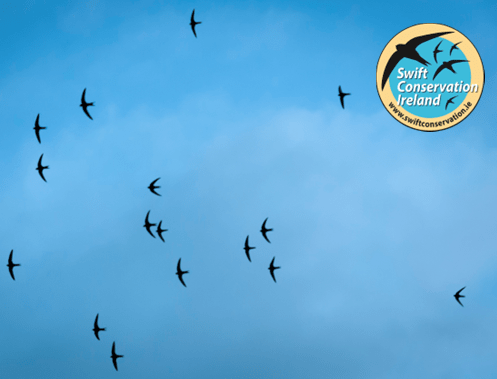
Swift Conservation: a once common bird being brought back
Swift Conservation Ireland is a volunteer led initiative working on the conservation of the swift in Ireland. The project began with Lynda Huxley. Her interest in swifts began while working at ATU Mayo campus in Castlebar, where there is an established colony of the birds. She began recording numbers and studying nest sites on campus in the summer months, and noticed that fewer birds returning each year. She decided to set up a nest box project to provide secure breeding sites to help conserve – and then grow – their numbers
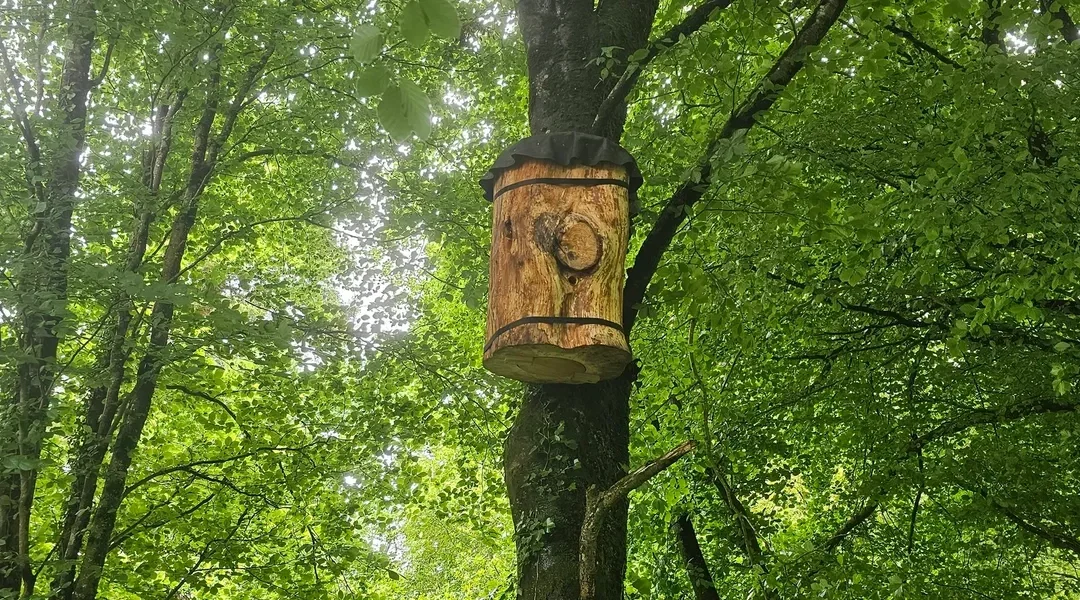
Boomtreebees – from tiny creatures to a BIG result
Boomtreebees is a conservation and natural beekeeping project in Ireland which is all about protecting the native Irish honeybee (Apis mellifera mellifera). They make semi‑natural habitat (log hives) to serve as nesting sites, and do research and education to share what they have found out about how to help bring back the Irish honey bee in the wild. They have helped Irish bees make more than 200 wild bee hives.
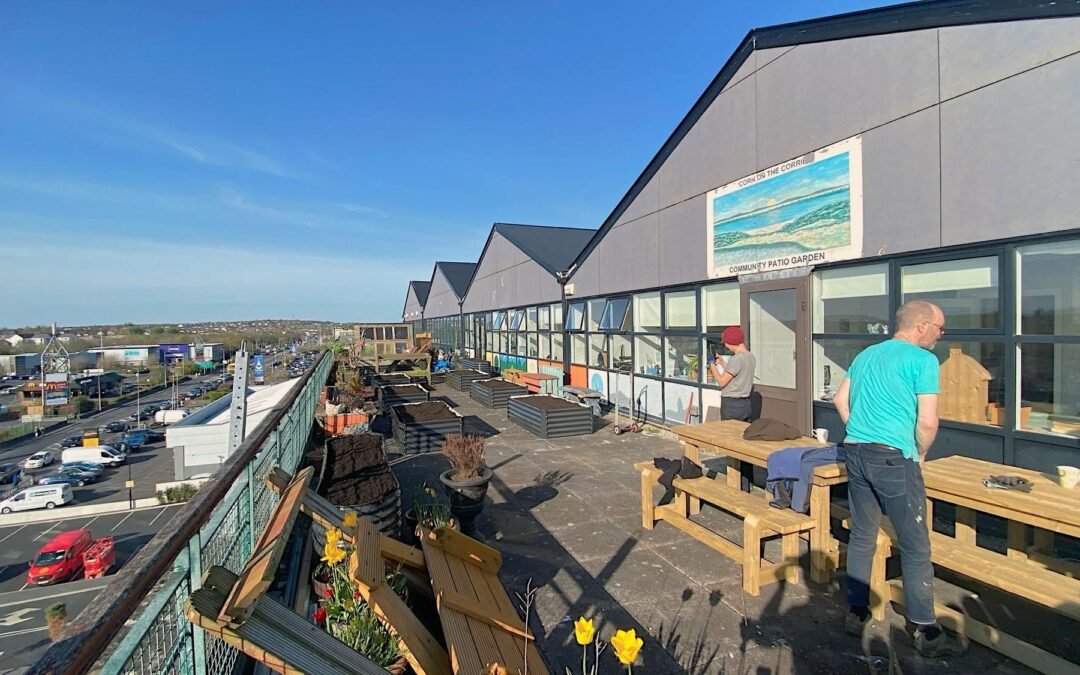
Hinterland West – making links along the food chain
Hinterland (often called ‘Hinterland West Galway’) is a community-rooted project that wants on transform food systems—looking at food insecurity,and inequity. It also wants us to be more connected to the land, and be more sustainable. It brings together research, action, creativity and education to help make a fair and sustainable food future for all. Since it was founded, Hinterland has focussed on reconnecting people with food, farming, and each other. They do this through growing, sharing, learning and imagining.

Buaile Bó Ballyloughane – a natural solution
A beach in Galway City was the home of a family of Dexter cows in 2024, to graze the headland east of Ballyloughane beach for several months as part of a project led by Galway City Council, working with a local farmer. Local schools and community groups were invited to participate in a programme to share information about this native Irish breed, farming, and its relationship to Irish biodiversity.
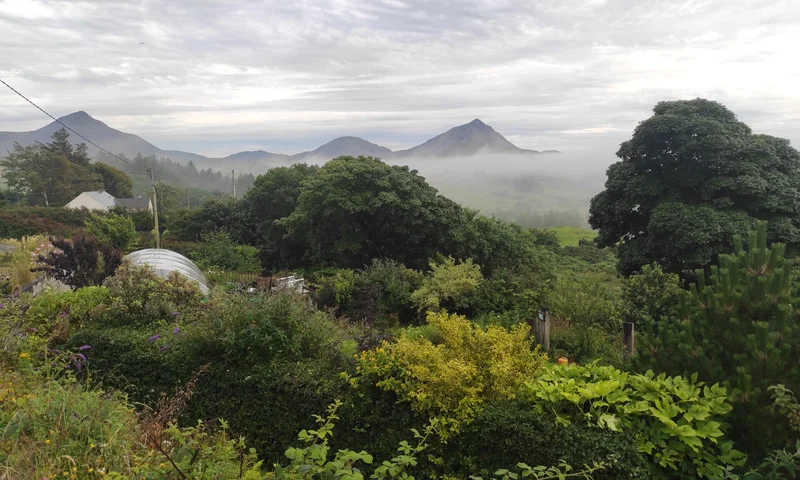
OURganic Gardens – a smallholding with big lessons
OURganic Gardens is an outdoor teaching garden in northwest Donegal. They teach people how to grow food and work with nature, not against it. It’s a place where people can come together to learn, volunteer, and enjoy the outdoors through classes and garden tours. It helps other people and groups do similar gardens in their own place.
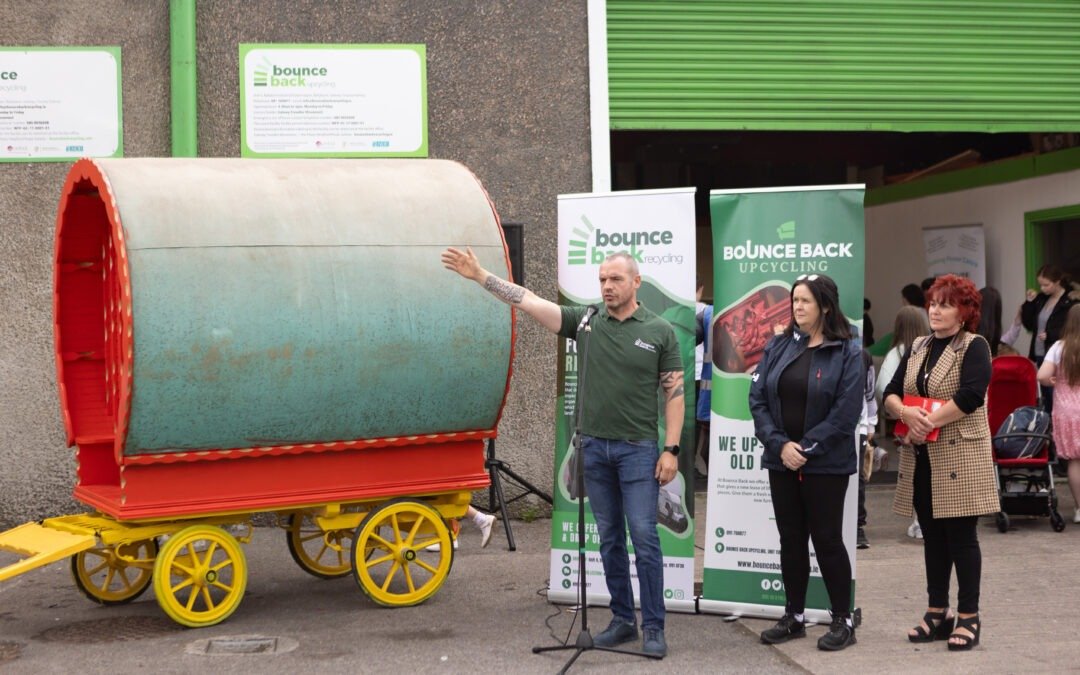
Bounce Back Recycling: a lesson from Ireland’s ‘original recyclers’
Bounce Back Recycling (BBR) is a Traveller-led social enterprise that breaks down mattresses and bulky furniture by hand so their materials can be reused or recycled instead of having to be landfilled or incinerated. It brings together environmental aims (shifting bulky waste into the circular economy) with social goals (training and employing people from the Traveller community).
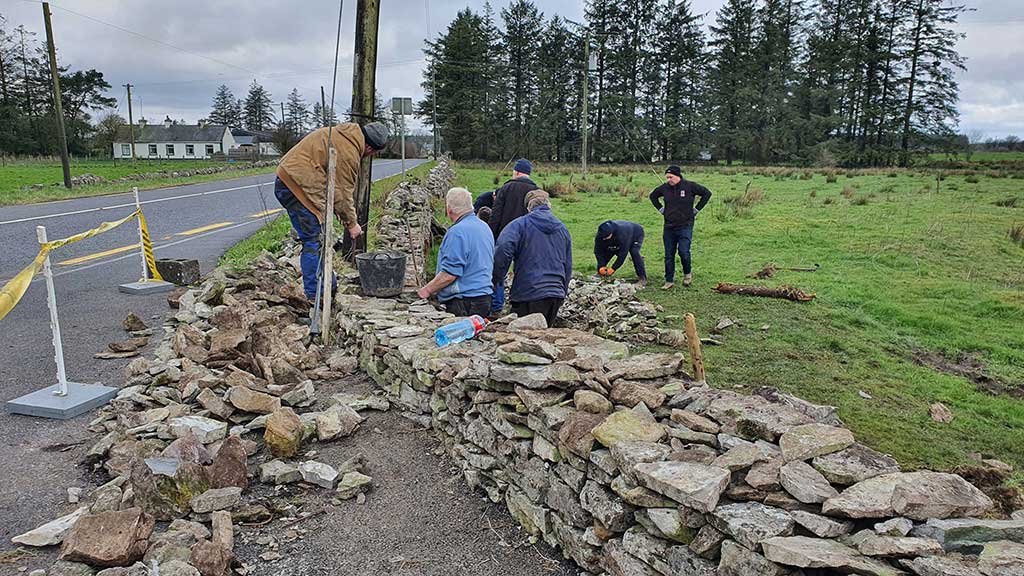
Farming Rathcroghan Scheme – Sustainable Farming in an Archaeological Landscape
The Farming Rathcroghan EIP project gives advice and support to farmers in the local area on how to farm in an historically important landscape, to look after and improve the landscape, while protecting bio-diversity, carbon sequestration and improving water quality. This is important because farmers need to work with forms and rules while at the same time make a living.
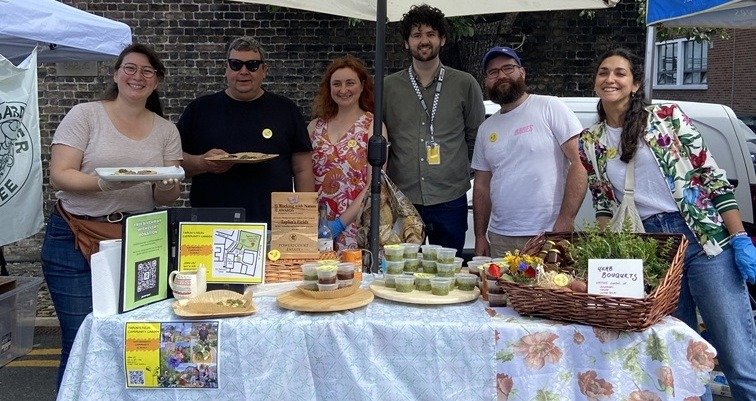
Taplin’s Fields (Bridgefoot Street Park Community Garden) – from wasteland to garden
Named in honour of a local community activist Richard Talpin, Taplin’s Fields is a community garden in Bridgefoot Street Park in the heart of Dublin in The Liberties. It changed what was once a run-down, overgrown site into a shared green space where local people grow vegetables, fruit, wildflowers, and where they can also experiment in biodiversity.
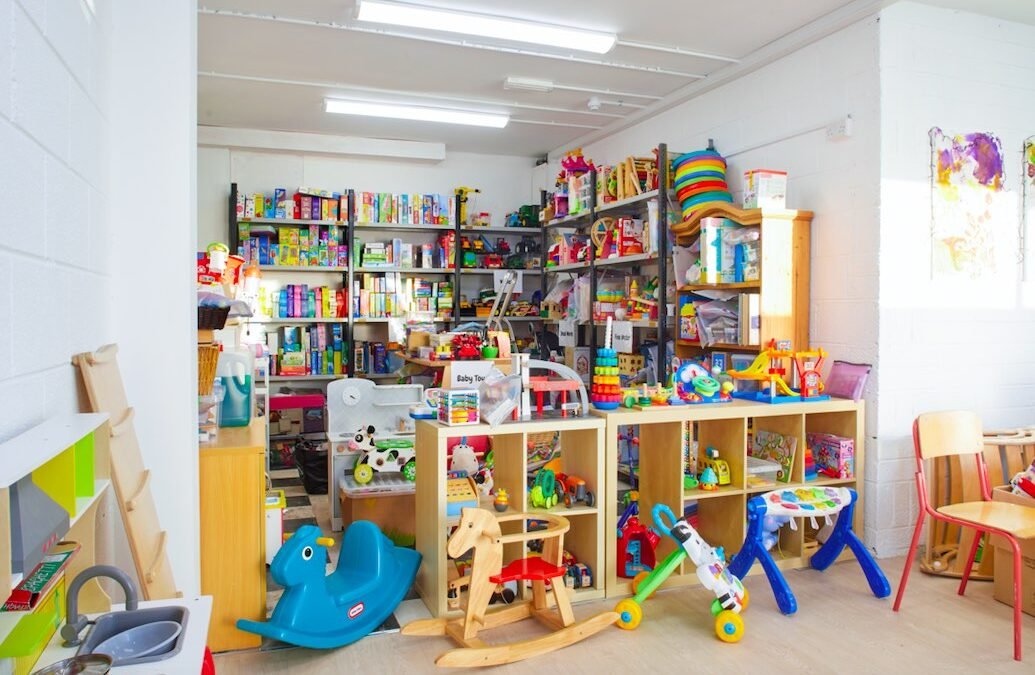
Carrickmacross Toy Library
This is a volunteer-led, non-profit toy-lending service that is about reducing waste and over-consumption of toys by allowing people who mind and care for children to borrow toys instead of having to buy new ones. The toys are also carefully chosen to be as sustainable as possible and many are ‘pre-loved’
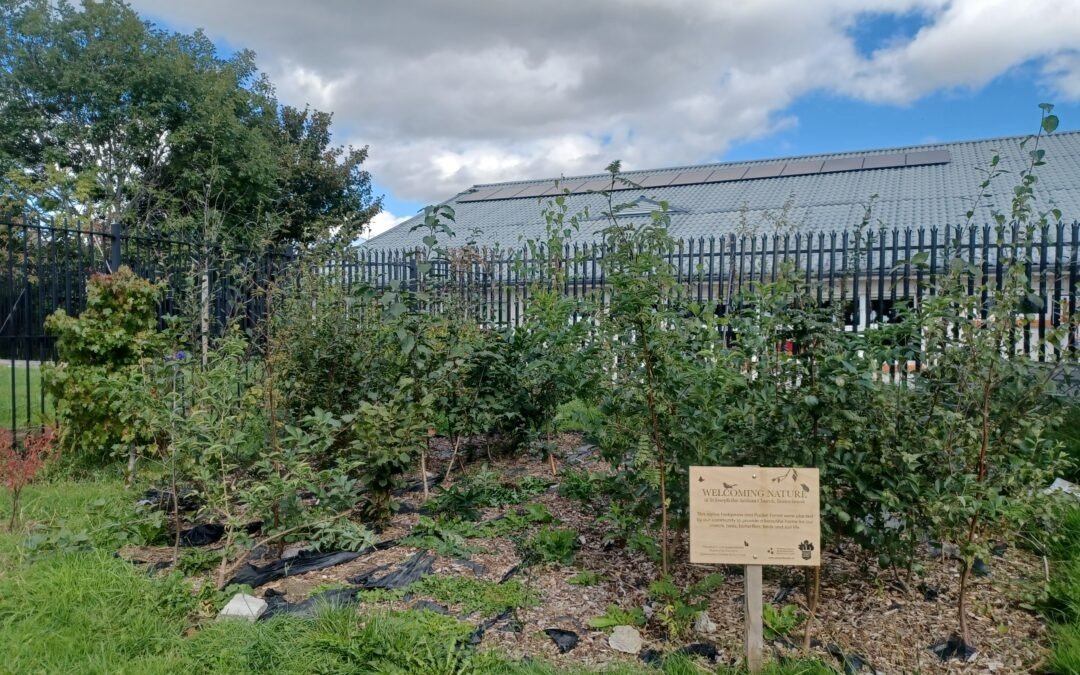
Pocket Forests – bringing nature into towns
Pocket Forests works on restoring biodiversity, soil health, and community connection by making small, dense plantings of native trees and shrubs in built up areas. They use the ideas from the Miyawaki or “Tiny Forest” approach. They also use permaculture to make richer and healthier soil that has become poor by being neglected. Since 2020, more than 100 pocket forests have been planted around Ireland.
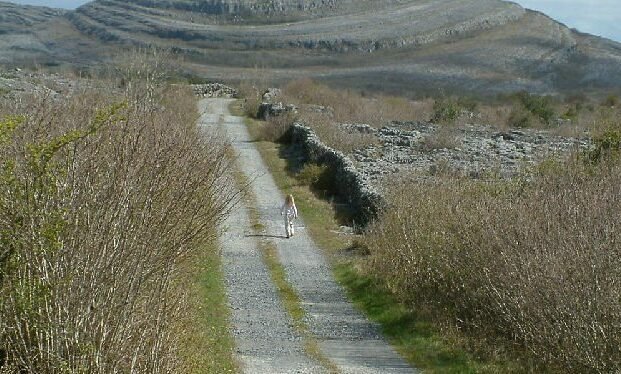
Burrenbeo Trust
Set up as a charity in 2008, Burrenbeo Trust is a non-profit organisation that connects all of us to our places and our role in caring for them. Based in the Burren, Burrenbeo Trust works to raise awareness of the importance of the Burren, and to encourage local communities to act as carers of its priceless heritage. Building on lessons learned over the past twenty years, Burrenbeo also supports ‘place-based learning’ across Ireland as a way that communities can learn more about their place and their role in actively caring for it.
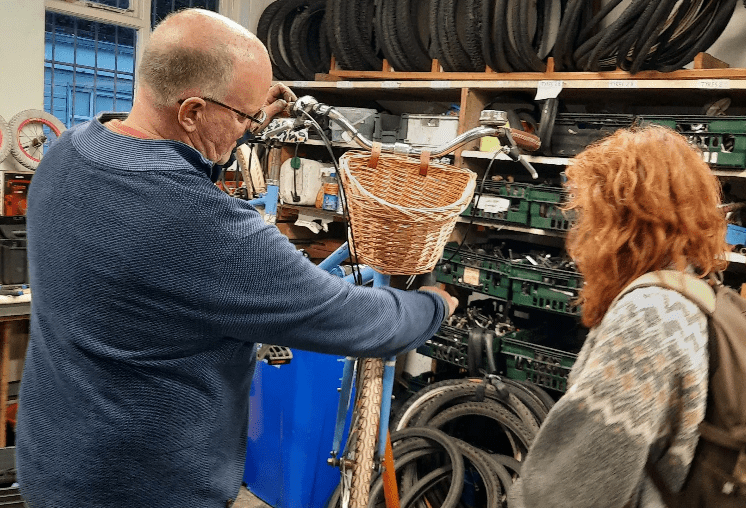
An Mheitheal Rothar – Galway’s Community Bike Workshop
An Meitheal Rothar is a not for profit Co-operative and Sustainable Business run by a team that creates positive change. It was born from the idea that people could come together in a group or a cooperative, to help each other as part of a community. An Meitheal Rothar fixes bikes, sells bikes, and teaches people how to repair bikes. It gives bikes for people in need, it asks for more walking and cycling in Galway City, helps us re-use and recycling things more – what is called the ‘circular economy’.
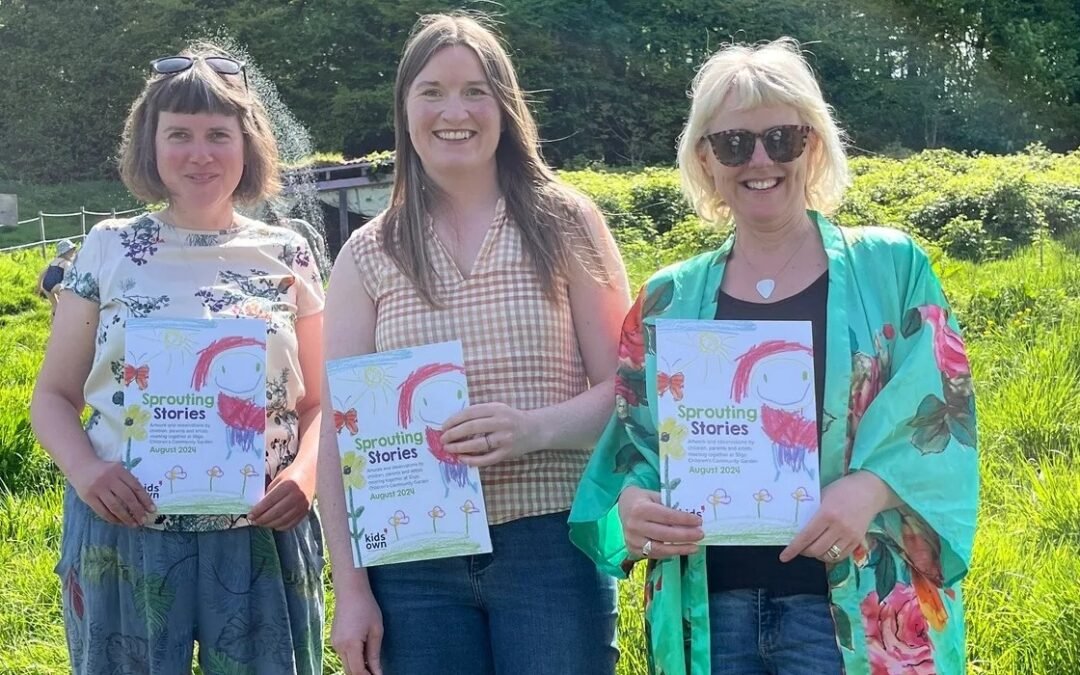
Sligo Children’s Community Garden
Born from a shared idea, SCCG was created to give a welcoming outdoor space where children and families can connect with nature. They can learn about sustainability, and bring about a sense of community. The garden is in the heart of Sligo, and it is a place where biodiversity does really well. The main idea of “grow your own” is taken on by everyone, and where people can improve their awareness of their environment.
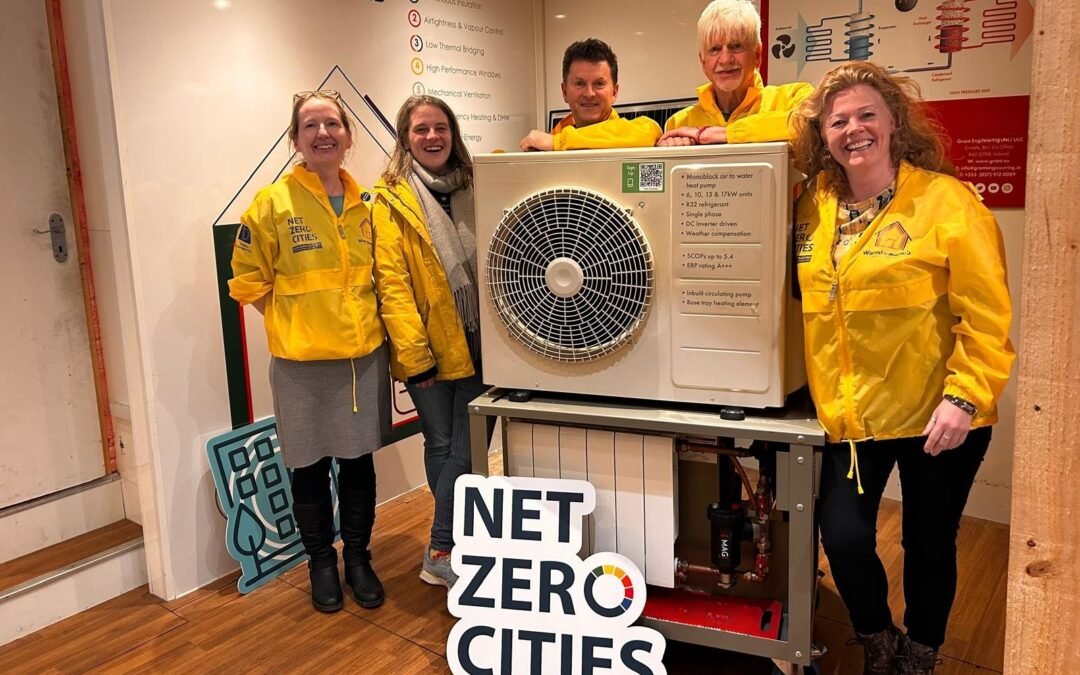
A NetZeroCities Project: Warm Home Hub
The Warm Home Hub, in the Westside Community of Galway City, gave a free-of-charge advice service that helps local residents by sustainably upgrading and retrofitting their homes, to make them into energy-efficient, sustainable, more comfortable and healthier homes. This included advice about the grants to home owners. They gave solutions that are available and suitable for each home, and how they could pay back the works through savings.
From Small Wins to a Community Energy Pipeline: GreenPlan Mulranny (Case Study)
GreenPlan Mulranny turned a volunteer-run tourist office into a public “green hub” for the whole village—swapping bulbs, cutting bills, refilling water bottles, charging e-bikes from solar, and showing live energy on a screen. Those visible, low-cost actions grew into a community energy pipeline (Sustainable Energy Community → Energy Master Plan → Building Energy Ratings → Retrofits) and helped set the stage for Mulranny’s Decarbonising Zone.
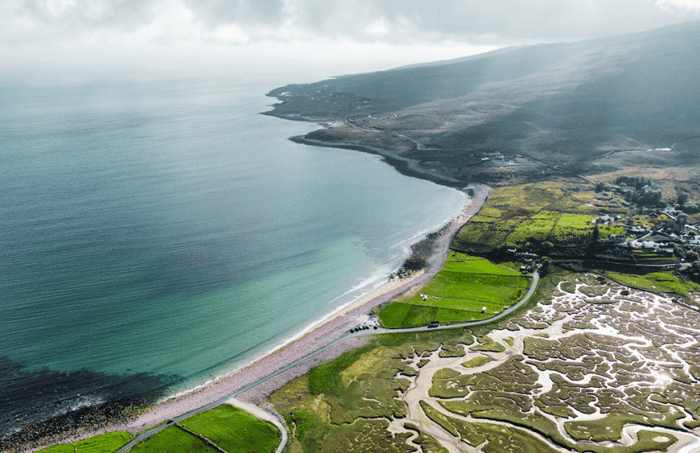
Mulranny 2030: From Climate Action Hub to UNESCO Biosphere (Case Study)
Once a pass-through village on the Wild Atlantic Way, Mulranny has reinvented itself as a hub for climate action and participatory governance. Building on its Decarbonising Zone plan and a decade of community-led innovation, the village is now aiming for its boldest move yet: joining UNESCO’s global network of Biosphere Reserves.
Mulranny Community Futures & Promenade (Case Study)
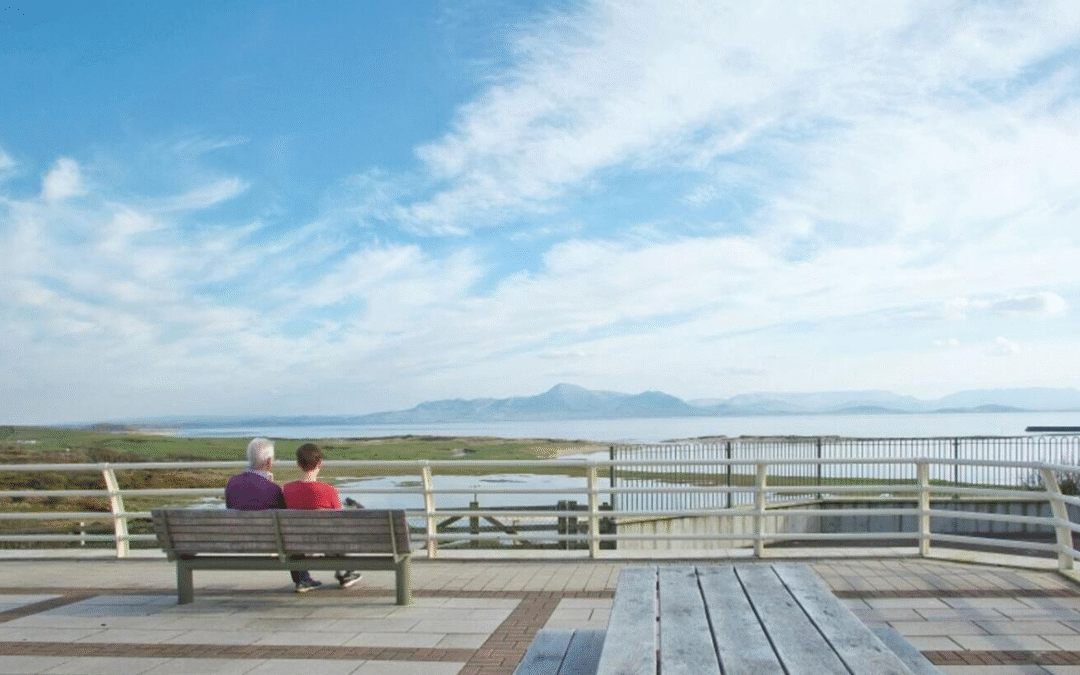
A Scottish-style, household-led consultation gave Mulranny a clear, shared brief: footpaths, safer crossings, and a seafront civic space. With a Village Design Statement (2012) to turn that mandate into drawings, the community and council delivered continuous footpaths, traffic calming, and the Mulranny Promenade—even during austerity—shifting the N59 corridor from car-dominated to people-first and setting the stage for later climate actions.
Achursáil Árainn – Aran Recycling
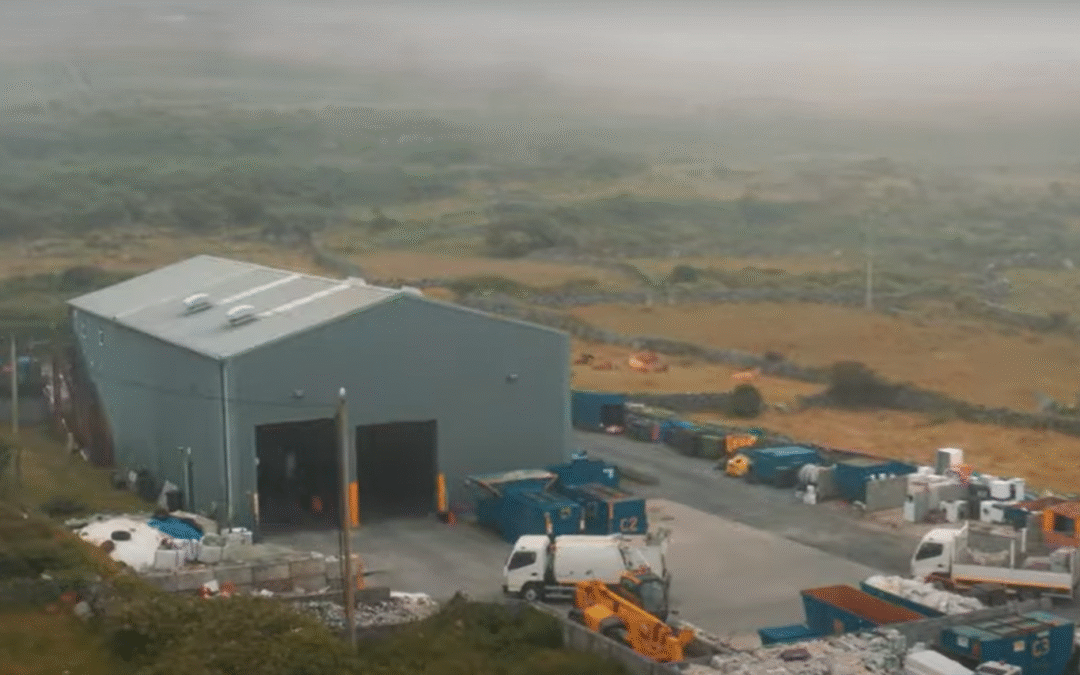
A community member owned co-operative of the Aran Islands. The key to the project was the islanders deciding they no longer wanted to dump household and commercial waste to landfill on the island. This affected the quality of the public water supply. A more sustainable view was needed: based on maximum recycling and minimum landfill. This was achieved and almost 60% of all waste on the island is recylced or repurposed – way ahead of the national targets.
Sligo Sustainable Energy CommunitySligo
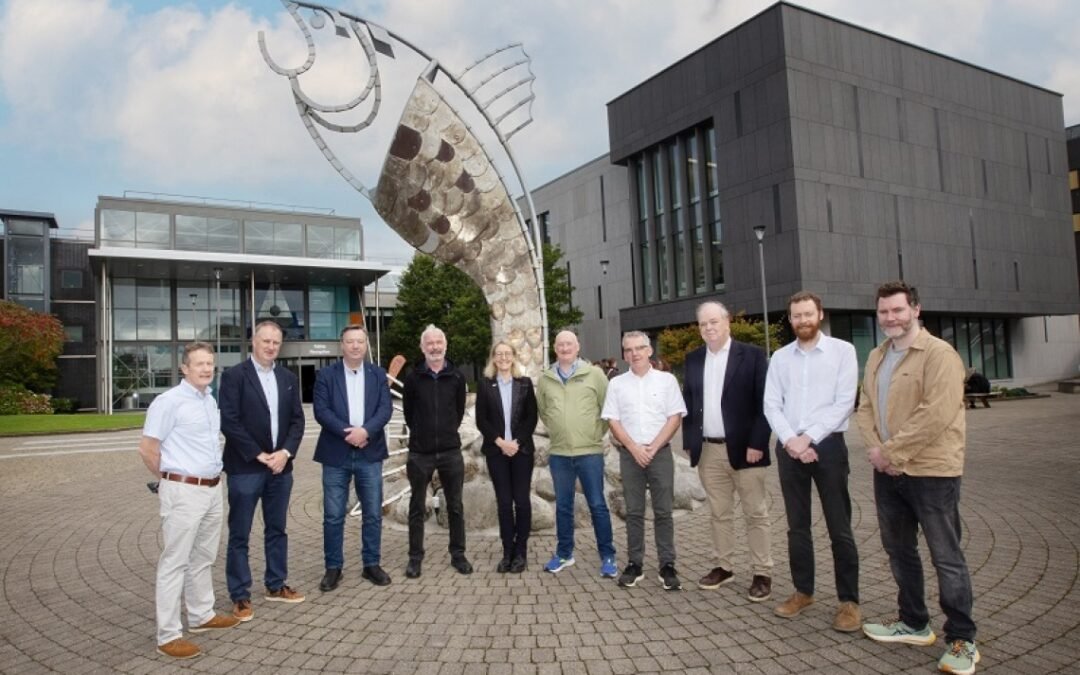
Sligo’s community and the town’s largest businesses and employers are working together to reduce energy use and carbon emissions across Sligo and Leitrim. This group, called Sligo Sustainable Energy Community (SEC), was set up in 2016 by local organisations and community members. They are helping people and businesses to save energy, cut costs, and switch to cleaner energy sources.
Aran Islands Keep Cup Campaign
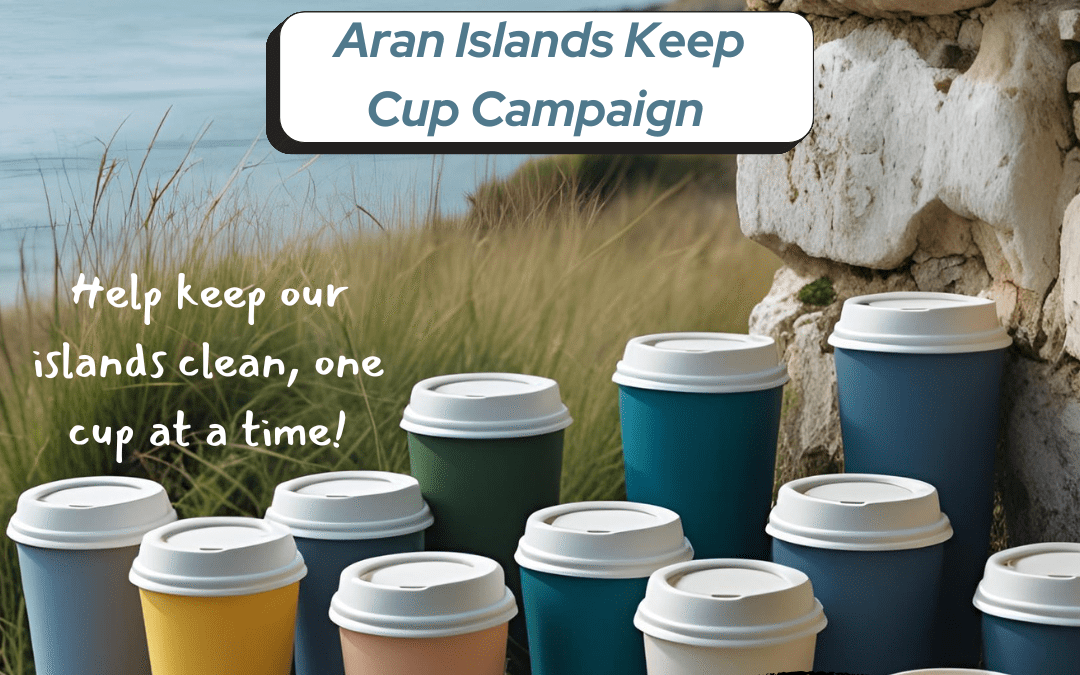
The Aran Islands ‘Keep Cup Campaign’ was launched in June 2025 by the Aran Islands Energy Co-op (Comharchumann Fuinnimh Oileáin Árann Teo, CFOAT), in collaboration with thirteen local businesses across the three Islands. Ten businesses on Inis Mór, one business on Inis Meáin and two on Inis Óirr have partnered up with CFOAT to promote the increase of reusable utensils and to reduce the number of single use plastic items in the form of takeaway cups.
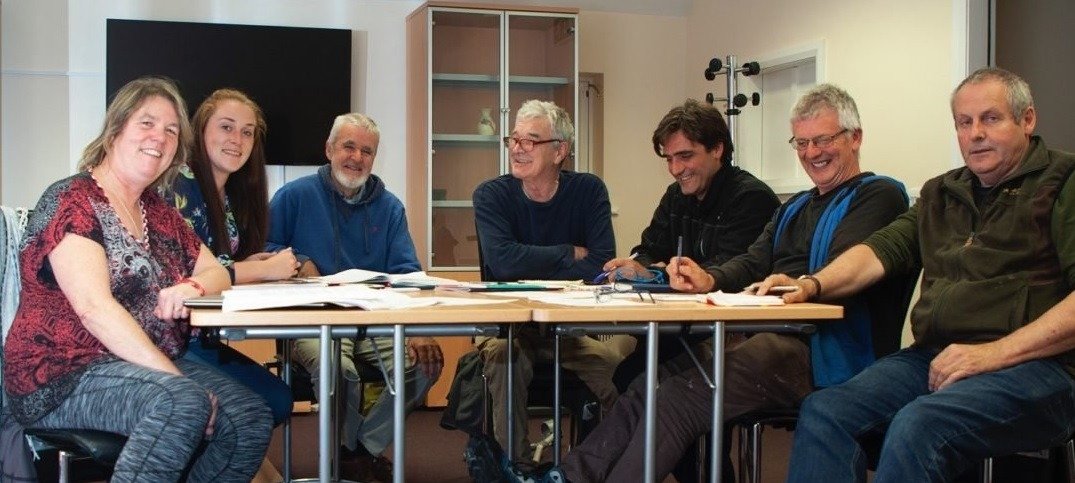
Aran Islands’ Energy Co-operative (Case Study)
We are a community owned energy cooperative representing the 3 Aran Islands. Lifetime membership is open to everyone who lives on the Islands for a fee of just €100. The cooperative is non-profit with all of the benefits going back into the community. The co-op shows how ordinary citizens can have big impacts on their community – but set things up right on a firm base.
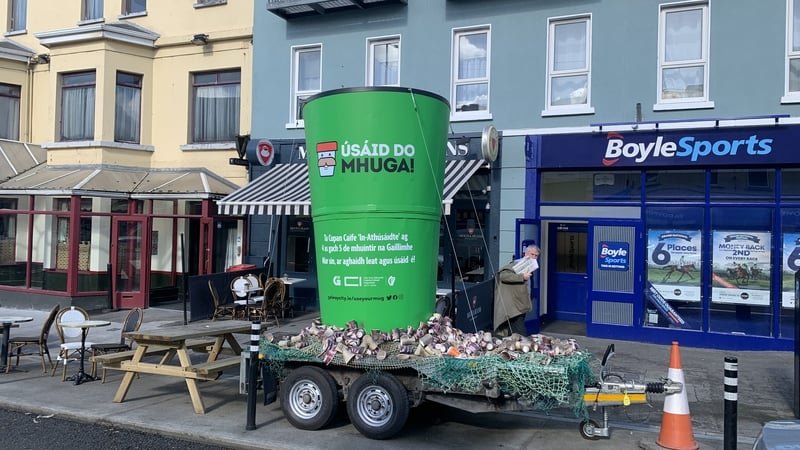
Use Your Mug Galway City
This was a campaign that lasted for 3 months in Galway City. During this time 9 cafes in the city did not sell coffee in paper cups. Instead you had to bring your own keep cup. The campaign was talked about all over the city and it helped get people into the habit of bringing their keep cups out with them. Once you pick up a good habit, it’s easy to keep doing it. This is a project that you could start in your town or village. Read more to see how they did it and how you can too.

Westside Community Organic Garden: Growing Together for Sustainability (Case Study)
In the heart of Galway’s Westside, a city community turned land that was not being used into a growing centre for biodiversity sustainability, and connections between people. Set up in 2011, this project which is led by volunteer gives locals the power to grow local food. It helps people in the community work together and improve how we look after the land. It’s more than just a garden—it’s a living space where people come together to look after both the land and each other.
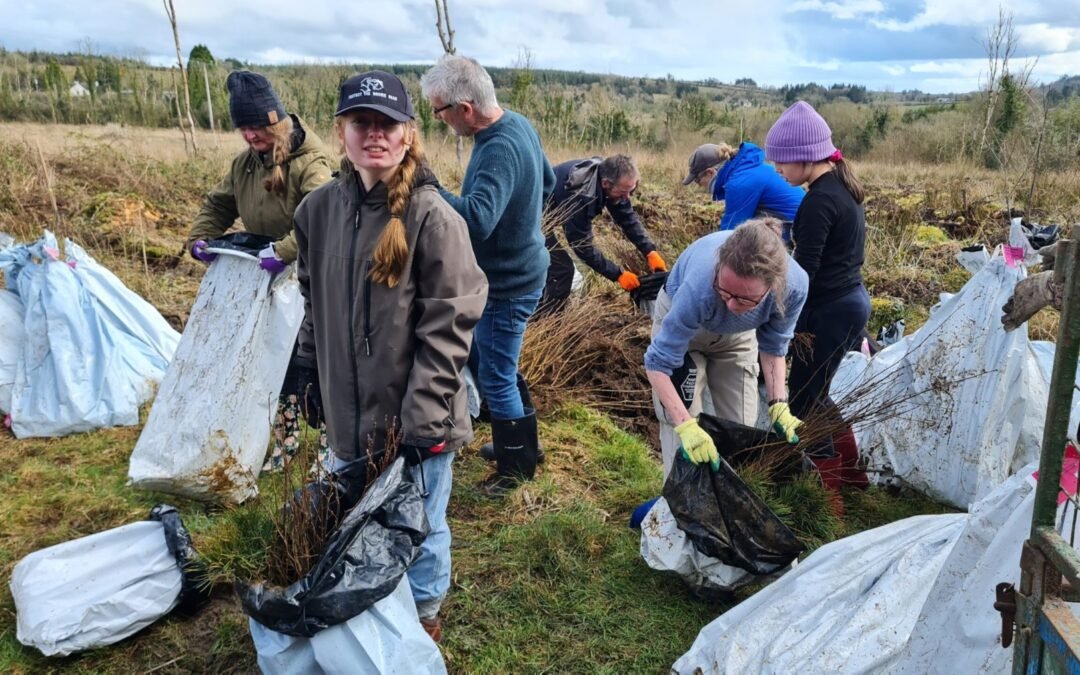
Coill Chormaic: A Community-Driven Model for Sustainable Forestry (Case Study)
Discover Coill Chormaic, a cooperative forestry project that was inspired by the life of Cormac ó Braonáin, a passionate campaigner for nature. This project brings together family, friends, and neighbors to plant a native Irish forest that supports the joined-up web of living things and how local people in a community get on with eachother. It’s about more than just planting trees; it’s about creating a space where a community working together meets looking after nature.
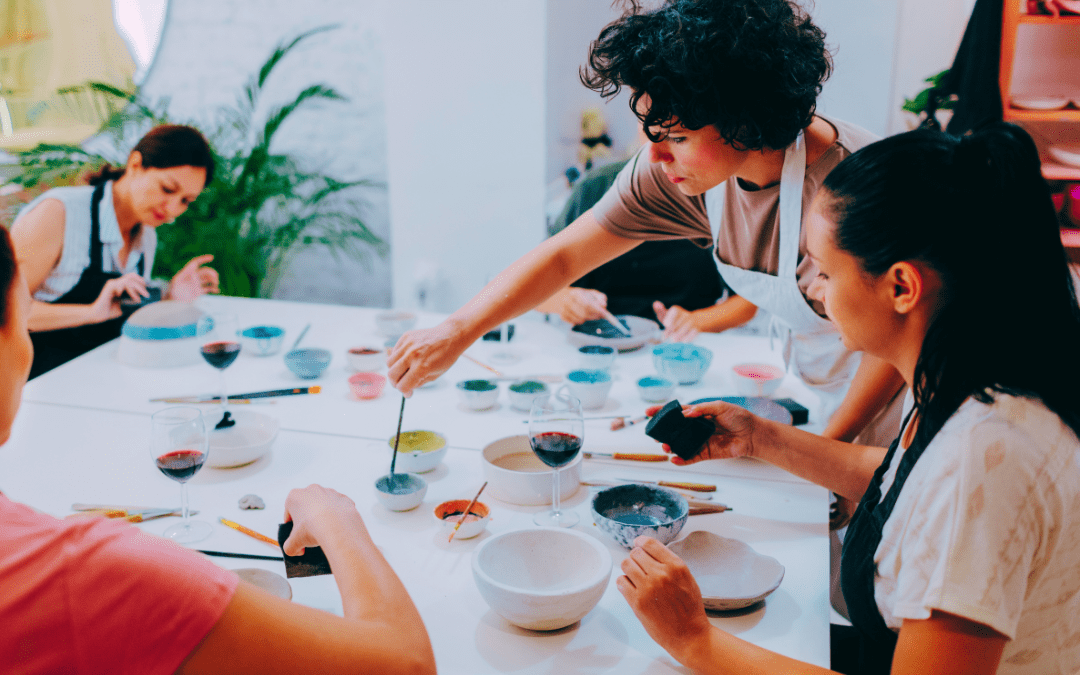
Creative Climate Action: Art and Sustainability in Westside (Case Study)
Westside Resource Centre’s community-led projects bring creativity and climate action together to engage residents in meaningful ways. Projects like “Painting the Planet” and “The Air We Share” use art and science to make sustainability understandable, start conversations about environmental issues, and strengthen community connections. Read the full case study to learn more about this work and what they are able to do.
Explore our community stories by map
