Hinterland (often called ‘Hinterland West Galway’) is a community-rooted project that wants on transform food systems—looking at food insecurity,and inequity. It also wants us to be more connected to the land, and be more sustainable. It brings together research, action, creativity and education to help make a fair and sustainable food future for all. Since it was founded, Hinterland has focussed on reconnecting people with food, farming, and each other. They do this through growing, sharing, learning and imagining.
Community Stories
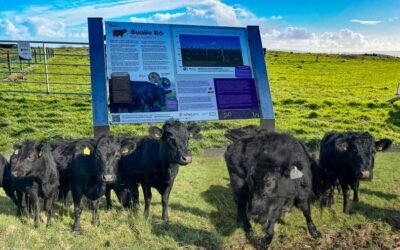
Buaile Bó Ballyloughane – a natural solution
A beach in Galway City was the home of a family of Dexter cows in 2024, to graze the headland east of Ballyloughane beach for several months as part of a project led by Galway City Council, working with a local farmer. Local schools and community groups were invited to participate in a programme to share information about this native Irish breed, farming, and its relationship to Irish biodiversity.
OURganic Gardens – a smallholding with big lessons
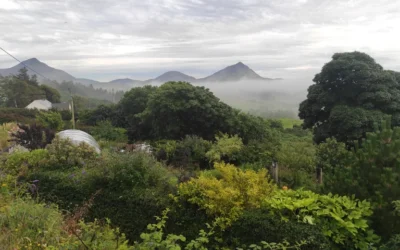
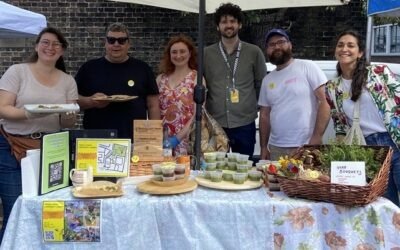
OURganic Gardens is an outdoor teaching garden in northwest Donegal. They teach people how to grow food and work with nature, not against it. It’s a place where people can come together to learn, volunteer, and enjoy the outdoors through classes and garden tours. It helps other people and groups do similar gardens in their own place.
Bounce Back Recycling: a lesson from Ireland’s ‘original recyclers’
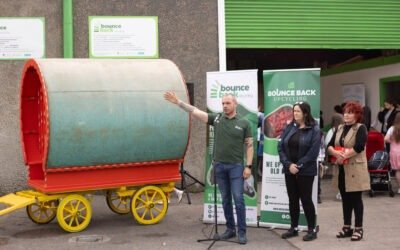
Bounce Back Recycling (BBR) is a Traveller-led social enterprise that breaks down mattresses and bulky furniture by hand so their materials can be reused or recycled instead of having to be landfilled or incinerated. It brings together environmental aims (shifting bulky waste into the circular economy) with social goals (training and employing people from the Traveller community).
Farming Rathcroghan Scheme – Sustainable Farming in an Archaeological Landscape
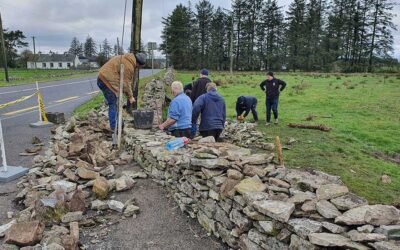
The Farming Rathcroghan EIP project gives advice and support to farmers in the local area on how to farm in an historically important landscape, to look after and improve the landscape, while protecting bio-diversity, carbon sequestration and improving water quality. This is important because farmers need to work with forms and rules while at the same time make a living.
Taplin’s Fields (Bridgefoot Street Park Community Garden) – from wasteland to garden
Named in honour of a local community activist Richard Talpin, Taplin’s Fields is a community garden in Bridgefoot Street Park in the heart of Dublin in The Liberties. It changed what was once a run-down, overgrown site into a shared green space where local people grow vegetables, fruit, wildflowers, and where they can also experiment in biodiversity.
Carrickmacross Toy Library
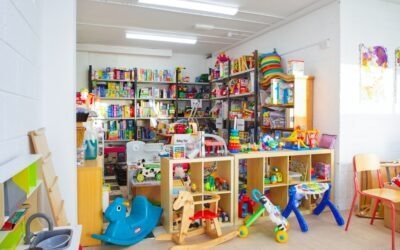
This is a volunteer-led, non-profit toy-lending service that is about reducing waste and over-consumption of toys by allowing people who mind and care for children to borrow toys instead of having to buy new ones. The toys are also carefully chosen to be as sustainable as possible and many are ‘pre-loved’
Pocket Forests – bringing nature into towns
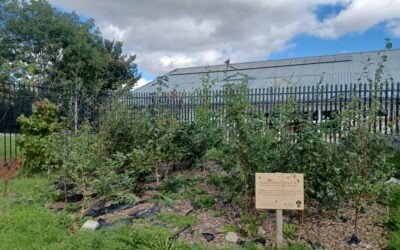
Pocket Forests works on restoring biodiversity, soil health, and community connection by making small, dense plantings of native trees and shrubs in built up areas. They use the ideas from the Miyawaki or “Tiny Forest” approach. They also use permaculture to make richer and healthier soil that has become poor by being neglected. Since 2020, more than 100 pocket forests have been planted around Ireland.
Burrenbeo Trust
Set up as a charity in 2008, Burrenbeo Trust is a non-profit organisation that connects all of us to our places and our role in caring for them. Based in the Burren, Burrenbeo Trust works to raise awareness of the importance of the Burren, and to encourage local communities to act as carers of its priceless heritage. Building on lessons learned over the past twenty years, Burrenbeo also supports ‘place-based learning’ across Ireland as a way that communities can learn more about their place and their role in actively caring for it.