
Community Case Studies
Join us in building Ireland’s Community Climate Action Map and Case Studies Repository. Whether you’re leading a climate initiative or supporting one, share your story with us to amplify its impact. Use the buttons below to explore more details and actively participate in Ireland’s collective climate journey.
What is the difference between a ‘Case Study’ and a ‘Community Story’?
Well it’s really a question of level of detail.
A Case Study is a deep look into a community action or project. It comes with a five page PDF document that looks at a whole range of ideas and actions in the project. Many of the case studies have podcast episodes alongside them.
A ‘Community Story’ is a quick and simple telling of the bare details of a communtiy project – it includes key facts and ideas whio did what and how, and why it’s useful to know about. It also has contact details for how to get in touch with the people runing the project.
Our Latest Community Case Studies
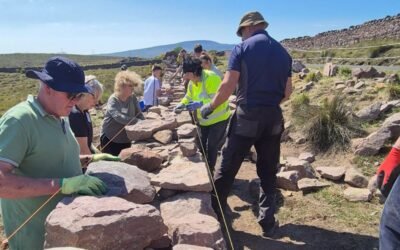
Stone Wall Festival — Rebuilding heritage the regenerative way
What started as a small, hands‑on community weekend became an example of regenerative tourism (where vistors make a place better while they visit it): visitors learn a traditional craft, rebuild a section of wall, and leave a visible legacy on the Great Western Greenway.

Working with Nature: The Rosmurrevagh Dunes Conservation Project
The Rosmurrevagh Dunes Project is a very strong example of community-led ecological restoration based in observation, care, and long-term commitment. Started by local farmers in 1996, the project began as an answer to bad erosion and . Over time, it became a leading example of learning together and how to protect the land from the sea using natural ways and not just building walls. Today, Rosmurrevagh is known as one of Ireland’s strongest sand dune systems. This was not just against erosion from the sea, but because the community learned to work with nature.
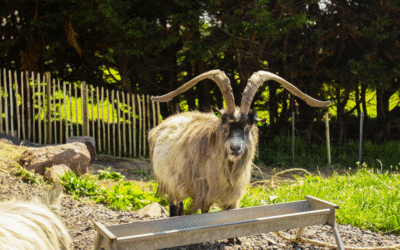
Old Irish Goat Project – Reviving Heritage for a Resilient Future
What started as a search for a lost native breed has grown into one of Ireland’s most innovative examples of community-led climate action. In Mulranny, County Mayo, a local group came together to protect the Old Irish Goat — a rare and ancient animal deeply connected to Irish culture. Today, their work blends conservation, education, and land management in ways that support both biodiversity and climate resilience.
From Small Wins to a Community Energy Pipeline: GreenPlan Mulranny (Case Study)
GreenPlan Mulranny turned a volunteer-run tourist office into a public “green hub” for the whole village—swapping bulbs, cutting bills, refilling water bottles, charging e-bikes from solar, and showing live energy on a screen. Those visible, low-cost actions grew into a community energy pipeline (Sustainable Energy Community → Energy Master Plan → Building Energy Ratings → Retrofits) and helped set the stage for Mulranny’s Decarbonising Zone.
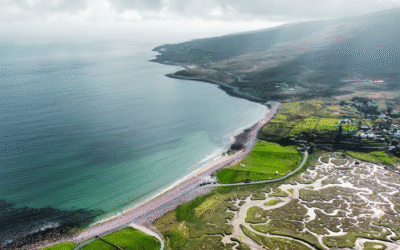
Mulranny 2030: From Climate Action Hub to UNESCO Biosphere (Case Study)
Once a pass-through village on the Wild Atlantic Way, Mulranny has reinvented itself as a hub for climate action and participatory governance. Building on its Decarbonising Zone plan and a decade of community-led innovation, the village is now aiming for its boldest move yet: joining UNESCO’s global network of Biosphere Reserves.
Mulranny Community Futures & Promenade (Case Study)
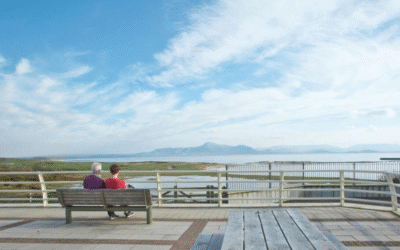
A Scottish-style, household-led consultation gave Mulranny a clear, shared brief: footpaths, safer crossings, and a seafront civic space. With a Village Design Statement (2012) to turn that mandate into drawings, the community and council delivered continuous footpaths, traffic calming, and the Mulranny Promenade—even during austerity—shifting the N59 corridor from car-dominated to people-first and setting the stage for later climate actions.
Aran Islands’ Energy Co-operative
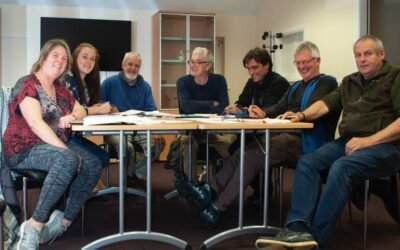
A community owned energy cooperative representing the 3 Aran Islands. Lifetime membership is open to everyone who lives on the Islands for a fee of just €100. The cooperative is non-profit with all of the benefits going back into the community. The co-op shows how ordinary citizens can have big impacts on their community – but set things up right on a firm base.
Aran Islands’ Energy Co-operative (Case Study)
We are a community owned energy cooperative representing the 3 Aran Islands. Lifetime membership is open to everyone who lives on the Islands for a fee of just €100. The cooperative is non-profit with all of the benefits going back into the community. The co-op shows how ordinary citizens can have big impacts on their community – but set things up right on a firm base.
Westside Community Organic Garden: Growing Together for Sustainability (Case Study)
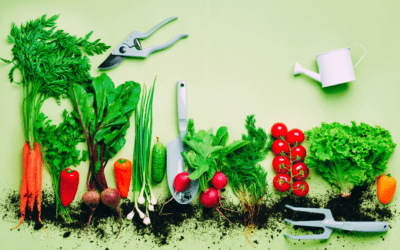
In the heart of Galway’s Westside, a city community turned land that was not being used into a growing centre for biodiversity sustainability, and connections between people. Set up in 2011, this project which is led by volunteer gives locals the power to grow local food. It helps people in the community work together and improve how we look after the land. It’s more than just a garden—it’s a living space where people come together to look after both the land and each other.
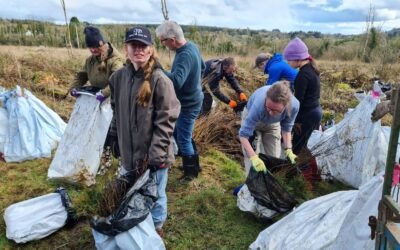
Coill Chormaic: A Community-Driven Model for Sustainable Forestry (Case Study)
Discover Coill Chormaic, a cooperative forestry project that was inspired by the life of Cormac ó Braonáin, a passionate campaigner for nature. This project brings together family, friends, and neighbors to plant a native Irish forest that supports the joined-up web of living things and how local people in a community get on with eachother. It’s about more than just planting trees; it’s about creating a space where a community working together meets looking after nature.
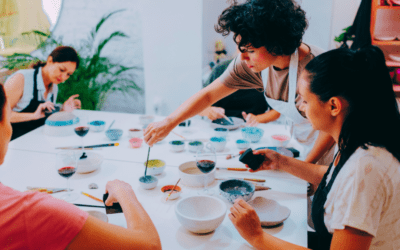
Creative Climate Action: Art and Sustainability in Westside (Case Study)
Westside Resource Centre’s community-led projects bring creativity and climate action together to engage residents in meaningful ways. Projects like “Painting the Planet” and “The Air We Share” use art and science to make sustainability understandable, start conversations about environmental issues, and strengthen community connections. Read the full case study to learn more about this work and what they are able to do.