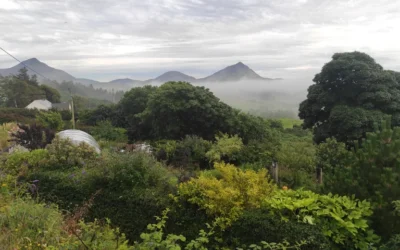
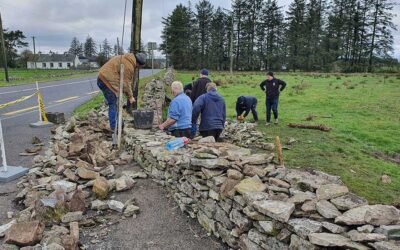
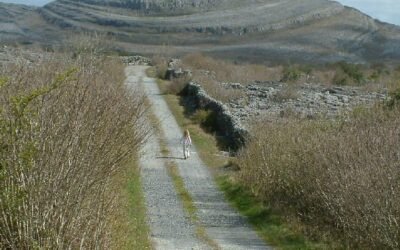
The Farming Rathcroghan EIP project gives advice and support to farmers in the local area on how to farm in an historically important landscape, to look after and improve the landscape, while protecting bio-diversity, carbon sequestration and improving water quality. This is important because farmers need to work with forms and rules while at the same time make a living.
Community Stories:
Biodiversity
Taplin’s Fields (Bridgefoot Street Park Community Garden) – from wasteland to garden
Named in honour of a local community activist Richard Talpin, Taplin’s Fields is a community garden in Bridgefoot Street Park in the heart of Dublin in The Liberties. It changed what was once a run-down, overgrown site into a shared green space where local people grow vegetables, fruit, wildflowers, and where they can also experiment in biodiversity.
Pocket Forests – bringing nature into towns
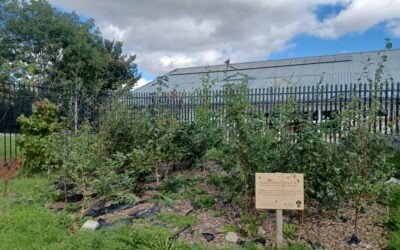
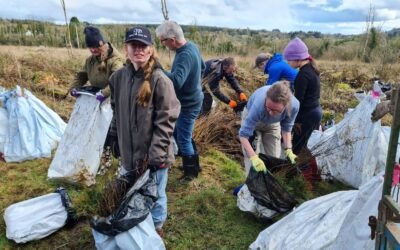
Pocket Forests works on restoring biodiversity, soil health, and community connection by making small, dense plantings of native trees and shrubs in built up areas. They use the ideas from the Miyawaki or “Tiny Forest” approach. They also use permaculture to make richer and healthier soil that has become poor by being neglected. Since 2020, more than 100 pocket forests have been planted around Ireland.
Burrenbeo Trust
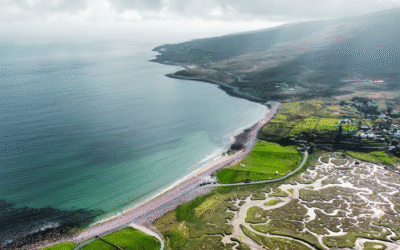
Set up as a charity in 2008, Burrenbeo Trust is a non-profit organisation that connects all of us to our places and our role in caring for them. Based in the Burren, Burrenbeo Trust works to raise awareness of the importance of the Burren, and to encourage local communities to act as carers of its priceless heritage. Building on lessons learned over the past twenty years, Burrenbeo also supports ‘place-based learning’ across Ireland as a way that communities can learn more about their place and their role in actively caring for it.
Sligo Children’s Community Garden
Born from a shared idea, SCCG was created to give a welcoming outdoor space where children and families can connect with nature. They can learn about sustainability, and bring about a sense of community. The garden is in the heart of Sligo, and it is a place where biodiversity does really well. The main idea of “grow your own” is taken on by everyone, and where people can improve their awareness of their environment.
Mulranny 2030: From Climate Action Hub to UNESCO Biosphere (Case Study)
Once a pass-through village on the Wild Atlantic Way, Mulranny has reinvented itself as a hub for climate action and participatory governance. Building on its Decarbonising Zone plan and a decade of community-led innovation, the village is now aiming for its boldest move yet: joining UNESCO’s global network of Biosphere Reserves.
Coill Chormaic: A Community-Driven Model for Sustainable Forestry (Case Study)
Discover Coill Chormaic, a cooperative forestry project that was inspired by the life of Cormac ó Braonáin, a passionate campaigner for nature. This project brings together family, friends, and neighbors to plant a native Irish forest that supports the joined-up web of living things and how local people in a community get on with eachother. It’s about more than just planting trees; it’s about creating a space where a community working together meets looking after nature.