Meath County Council has designated 9 Decarbonising Zones (DZs) across the county, as part of its broader Climate Action Plan. This structure allows the council to take a county-wide, coordinated approach, which places particular emphasis on the nine designated DZ’s, while recognising that each DZ has unique challenges — for example, Bettystown, a coastal town, faces different issues than the inland town of Kells.
Navan – Ashbourne – Trim – Kells – Dunboyne – Laytown/Bettystown – Dunshaughlin – Ratoath – Duleek.
Current Footprint for the County Meath DZs is 8.2tCO2eq/pp/yr
The total baseline emissions for Meath’s 9 DZs are reported as 824 kt CO₂eq (2018 baseline – excluding agriculture), according to the Meath County Climate Action Plan 2024–2029.

County Meath total ktCO2eq per year.
Despite these differences, one common priority across all DZs is addressing residential emissions, which represent a significant portion of local carbon output. Selecting nine DZs, rather than focusing on a single area, demonstrates County Meath’s high level of ambition to tackle climate action across the county. The choice of DZs also ensures representation across the six municipal district areas and aligns with the council’s commitment to community engagement and elected member support, recognising that local representatives play a key role in meshing with communities and facilitating action.
Implementation of DZ initiatives relies heavily on awareness-raising and engagement with local communities and businesses, ensuring that each area can co-create actions that reflect local needs. To support this, the council plans to develop a DZ Implementation Plan focusing on place-based actions specific to each of the 9 DZs.
The vision for the Meath County DZs, as outlined in the Climate Action Plan, involves:
“Working together to create climate resilient, biodiverse, rich, vibrant, and sustainable towns that support healthy lifestyles and jobs growth”
Meath County Council 2024 – 2029 Climate Action Plan
This vision will enable communities, businesses, and the local authority to work together to achieve a low-carbon, climate-resilient, and socially inclusive county. Each DZ acts as a “test-bed” for measures that can be adapted and replicated in other areas, fostering collective progress across Meath.
Community Engagement
Meath County Council emphasises that strong community engagement is essential to delivering meaningful decarbonisation projects within the nine DZs throughout the whole county. Effective awareness-raising and capacity-building are seen as the foundation for engaging local communities, businesses, and residents in climate action.
Across the DZs, there is a strong network of Tidy Towns groups, which play a pivotal role in local environmental and sustainability efforts. Among them, Trim Tidy Towns stands out as an exemplar, having achieved Gold-level awards in the international Communities in Bloom competition, multiple Tidy Town awards, and hosting one of the county’s most successful Sustainable Energy Community (SEC). Trim also has its own dedicated Climate Action Group, working in parallel with the SEC and Tidy Towns initiatives to implement local climate actions.
Meath County Council supports a network of 33 SECs, all operating along the “Plan, Learn, Do” journey to build knowledge, capability, and momentum. These SECs are particularly important, but not limited to, addressing residential energy emissions, a shared priority across all nine DZs. In addition, the county has completed 10 Energy Master Plans, with two more in development, providing a structured roadmap for energy efficiency, renewables, and broader climate initiatives.
In areas such as Trim, the SECs collaborate informally with groups like the Trim Climate Action Group, helping to deepen community participation and broaden the reach of local climate actions. The Trim Climate Action Group works collaboratively with residents, schools, local businesses, and Meath County Council to support behaviour change, promote sustainable living, and coordinate participation in local climate projects. This community group has also contributed to initiatives such as awareness campaigns, workshops, and local sustainability events, helping to strengthen Trim’s position as one of the county’s strongest community-led climate action hubs.
The Community Climate Action Programme (CCAP) further strengthens community engagement. Across the county, 25 community-led projects have been supported under CCAP, with 15 projects already completed and 10 projects in progress, scheduled for completion by early 2026. The projects had to address one or more of the five programme fund themes: Community Energy, Travel, Food and Waste, Shopping and Recycling and Local Climate and Environmental Action. Projects carried out to date, as part of phase one of the programme, under each theme include:
- Energy: Solar, LED lighting upgrades, building insulation, window replacement, and heat pumps.
- Travel: Bike and scooter racks. Food & Waste: Food and waste composter, community garden.
- Shopping & Recycling: Water refill station, green bin segregation and recycling bins.
- Local Climate and Environmental Action: Planting of native trees, community garden, flower planters, bug hotel and planter.
These projects reflect the diversity of community-led actions, from energy efficiency and renewable adoption to sustainable transport, recycling, and biodiversity initiatives. Together with the SECs, sports clubs, Tidy Towns network and many more groups, the CCAP projects enable communities to play a leading role in shaping and delivering local climate action across Meath’s DZs.
Sustainability Practices within Meath County Decarbonisation Zones
Eco Chic

Eco Chic helps people rethink clothing waste by offering sewing, mending, and up‑cycling skills so that old or damaged clothes are not discarded but given new life. The initiative includes mending and up‑cycling workshops, jewellery repurposing, running alongside these workshops’ community clothing swap‑shops also take place where members of the public bring clothes to swap, but at the same time they can then take clothes currently available at the swap. This programme runs across all nine DZs.
In 2025, a total of 26 events commenced, with almost 600 attendees, and over 1,700 items swapped, resulting in a total carbon saving of over 12,000kg CO2. To view the Eco Chic video, see here.
Eco Grow
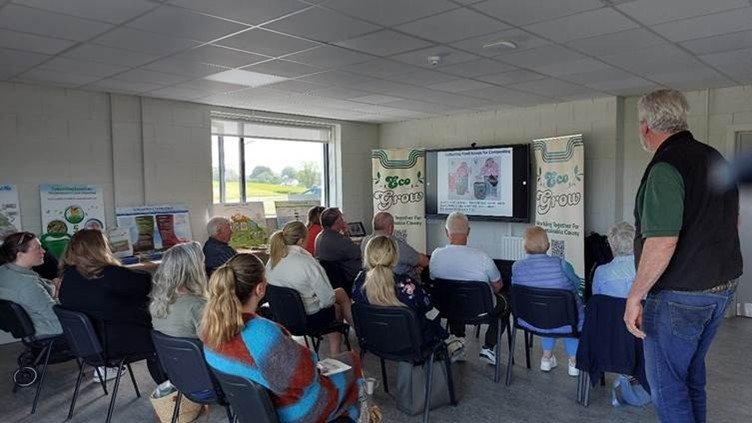
The Eco Grow initiative facilitates public workshops focused on reducing food waste, composting unavoidable waste, and empowering people to grow their own food. This helps communities reduce landfill waste and become more self‑sufficient. The Eco Grow initiative runs across all nine DZs.
Topics covered at each workshop included:
- Principles of biodiversity
- How to make fertilisers from kitchen resources
- How to create and use compost from food waste
- Hands-on experience of growing your food.
The purpose of these workshops is to train community mentors and members of the public in how to grow their own food, so they can pass these skills on to the community groups they work with.
Toy Libraries

Toy Libraries allow families to exchange or donate toys instead of discarding them. Families can bring up to five toys to swap, with no money exchanged. This reduces waste and supports sharing within the community across all nine DZs and beyond.
There were 4 events held in 2025 with over 330 attendees, and over 100 toys swapped, resulting in a carbon saving of over 4,000kg CO2 and almost 700kg of plastic being prevented from entering landfill.
These events involve an afternoon of fun and circular economy practices. The toy libraries help to build a more sustainable future and help to track social impacts in order to measure toy recirculation and quantify plastic-based CO2 emission savings.
GAA Green Clubs Programme
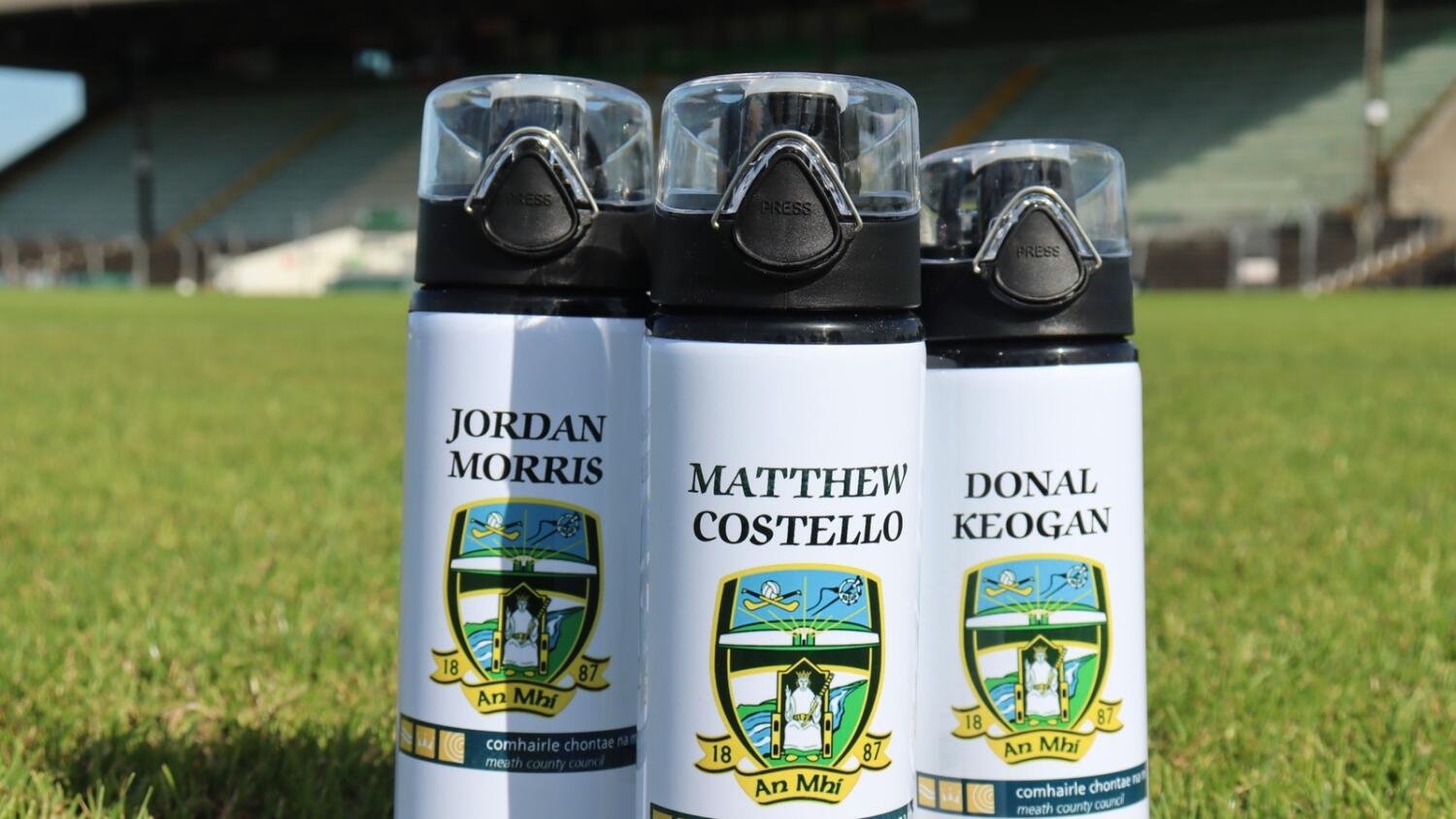
Meath has one of the strongest networks of GAA Green Clubs in the country, with several clubs receiving national recognition for sustainability leadership. The programme is supported by Meath County Council and Meath GAA County Board. The county also hosted the national “Play It Green” event in October 2025 as part of the council’s Climate Action Month at the Meath GAA Centre of Excellence, bringing together clubs from across Meath . Watch Meath County Council’s video on the Play it Green event here.
A major initiative is the “Have you got the bottle?” campaign, which encourages all clubs across the county to reduce or eliminate single‑use plastic bottles through installation of water refill stations and reusable bottles. Meath County Council have partnered with Meath’s GAA Green Clubs to support this initiative across the county.
Returnable Cup Scheme
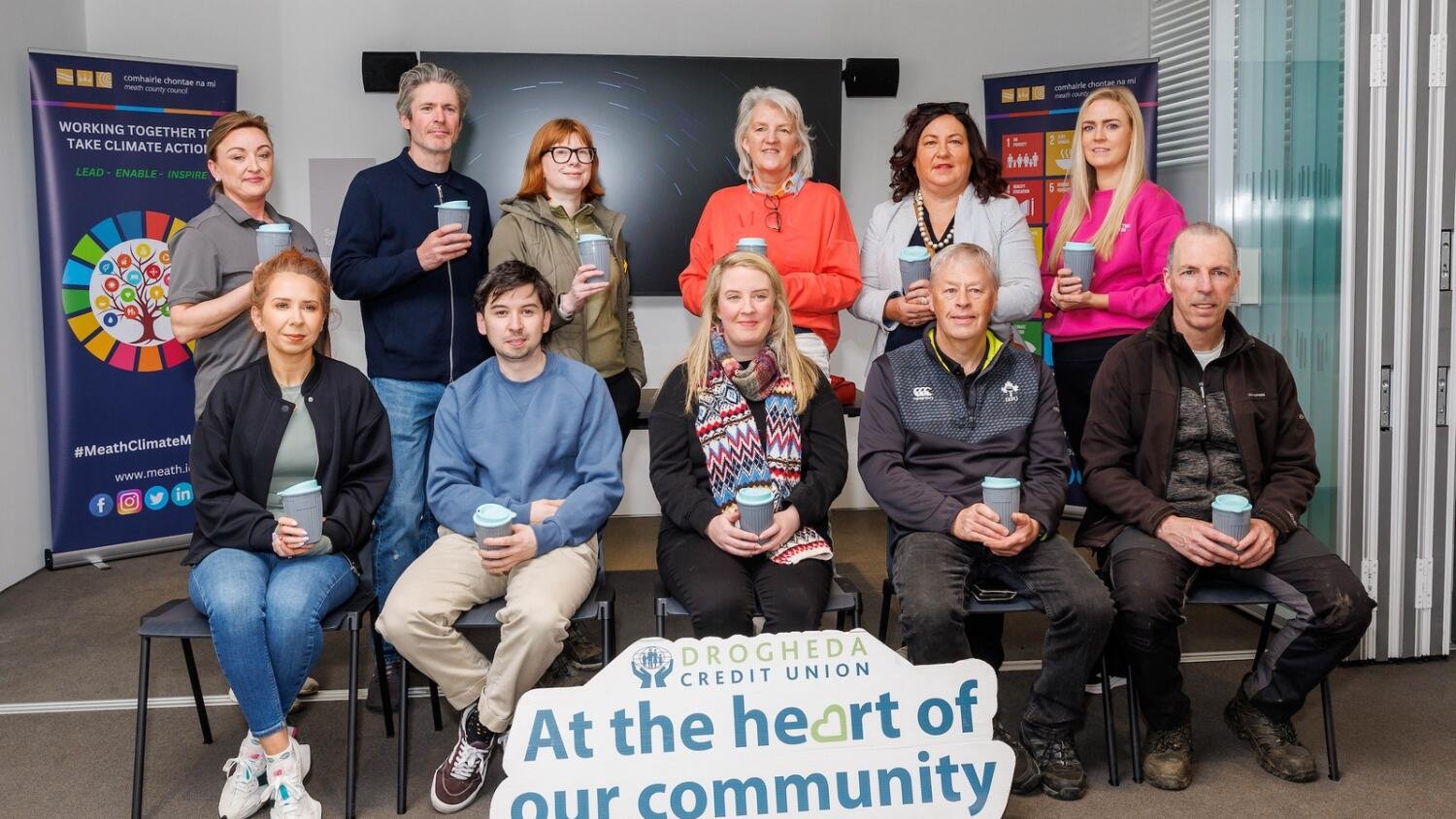
The towns of Trim and Bettystown operate returnable cup schemes. The aim of both these schemes is to help build a circular economy by reducing disposable litter and helping coffee shops reduce their carbon footprint while also reducing their costs. The scheme also aims to help encourage the public in the habit of using a keep cup.
The Elder Project (Trim DZ)
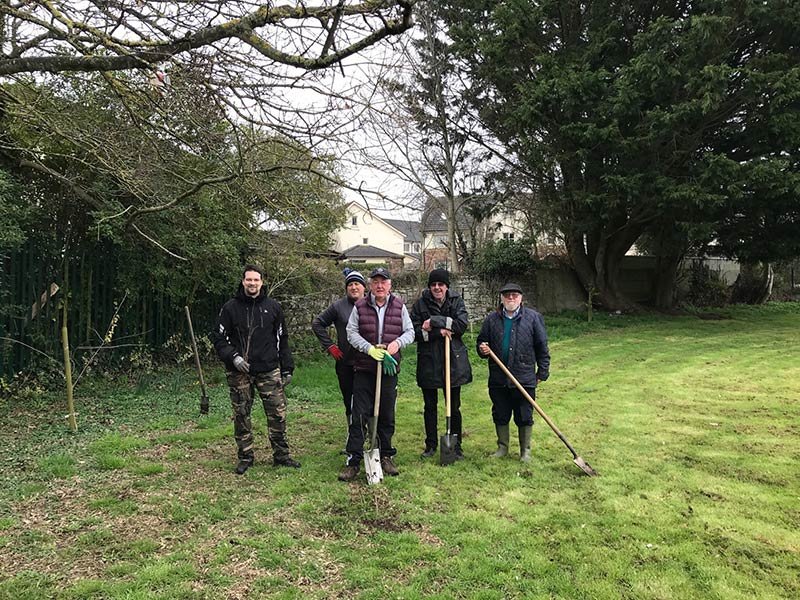
The Elder Project is a flagship community-led greening initiative based in the Trim DZ, centered on the idea of planting one tree for every resident in the town. With a target of 10,000 trees, the project aims to enhance local biodiversity, improve air quality, strengthen climate resilience, and foster a shared sense of environmental stewardship among residents.
To date, 8,000 trees have already been planted across the Trim DZ, representing remarkable progress toward the overall goal. The initiative brings together local volunteers, schools, community groups, and Trim Tidy Towns, and is viewed as a long-term legacy project that will deliver environmental and social benefits for future generations.
Meath’s Green Festivals
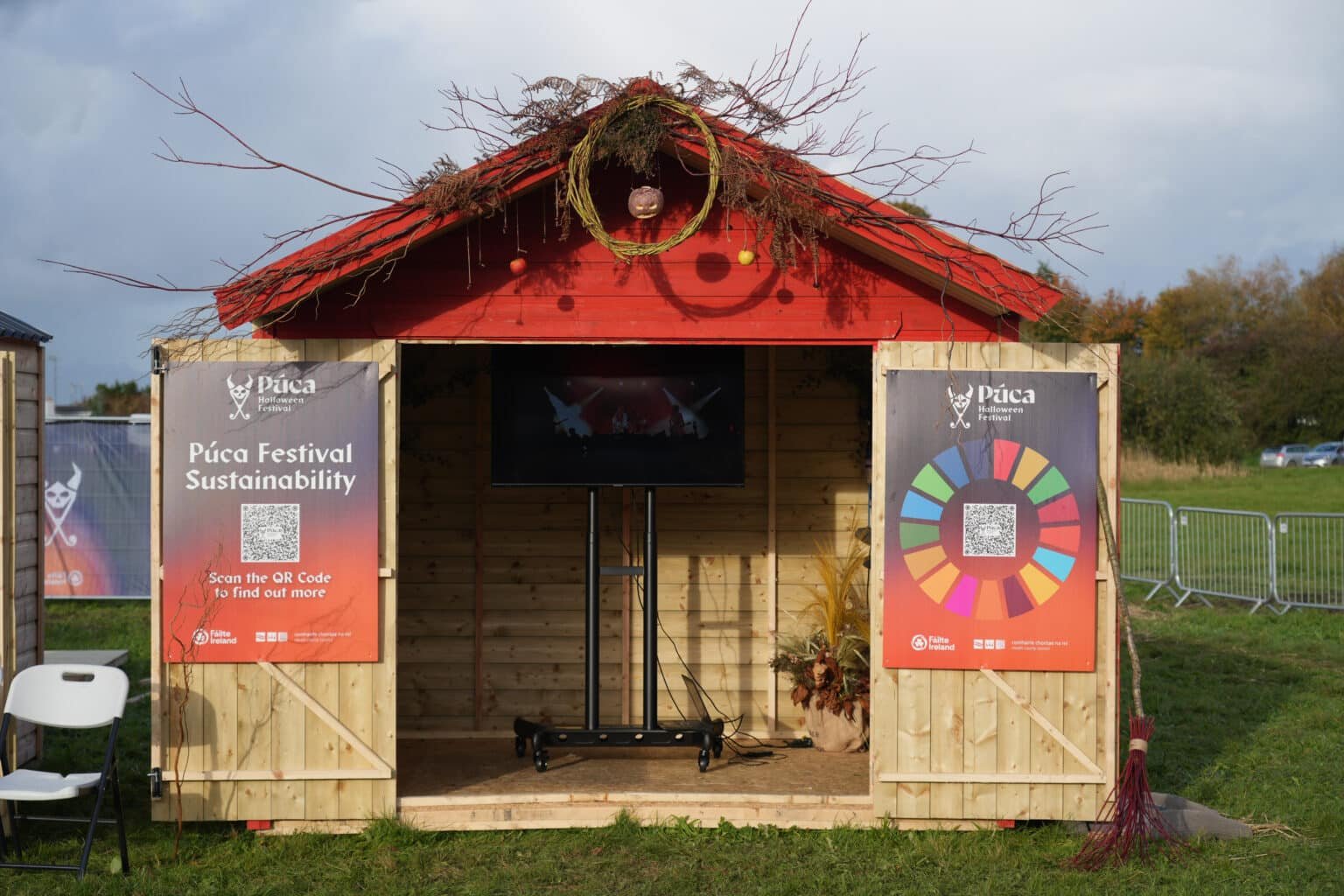
In partnership with Meath County Council, the Púca Festival embodies a strong ‘spirit of sustainability’ and integrates environmental responsibility across its energy use, waste management, plastics reduction, transport, biodiversity and accessibility planning, winning it the EarthCheck’s EventCheck designation for 2025. This Sustainability Award has set a new benchmark for sustainability in Irish cultural events.
Púca sustainability details: Púca Festival Sustainability Page
The Samhain Festival focuses on food sustainability, including reducing food waste, encouraging composting, and supporting responsible cooking. It is currently in the process of applying for a sustainability award with plans to further its sustainability goals in the coming years.
More information on the Samhain Festival please see Meath’s Monthly Management Report for Elected Members.
District Heating Feasibility Study
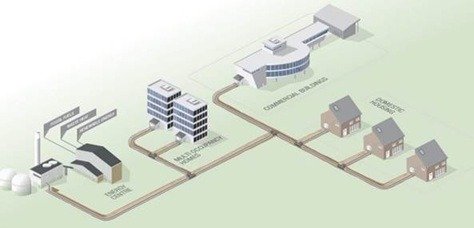
Meath and Louth County Councils are conducting a joint feasibility study to explore the potential for a district heating network serving Drogheda, Duleek, and surrounding areas. This network would operate by efficiently capturing and utilising otherwise lost energy, such as waste heat from industrial processes. The primary purpose of the study is multifold. Firstly, it will assess the technical and financial viability of the project through detailed analysis of local heat supply and demand, as well as stakeholder data. The findings will then be used by the Councils to make informed decisions regarding the project’s future progression. Critically, the initiative also aims to support national efforts in meeting Ireland’s carbon reduction goals. The study started in December 2024 and is expected to be completed by January 2026
Place‑Based & Infrastructure Integration
The Council is integrating decarbonisation into local planning, transport, and infrastructure development across all nine DZs. This includes expanding greenways, developing cycle tracks, and connecting local transport routes.
Navan has an extensive greenway network, including two of the most sustainable kilometres in Ireland made from recycled materials. The Council is working to connect these with new sections to create a county‑wide network.
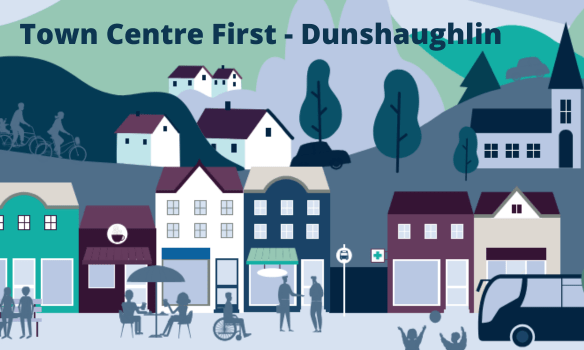
Each DZ has its own approach based on local needs. Navan is participating in an URBACT‑style collaborative planning process to create a DZ plan, while Dunshaughlin is integrating DZ actions into its Towns Centre First Plan. All DZs will focus on core place-based climate actions specific to each area, including energy efficiency, sustainable transport, biodiversity protection and enhancement, and circular economy.
SDG Mapping
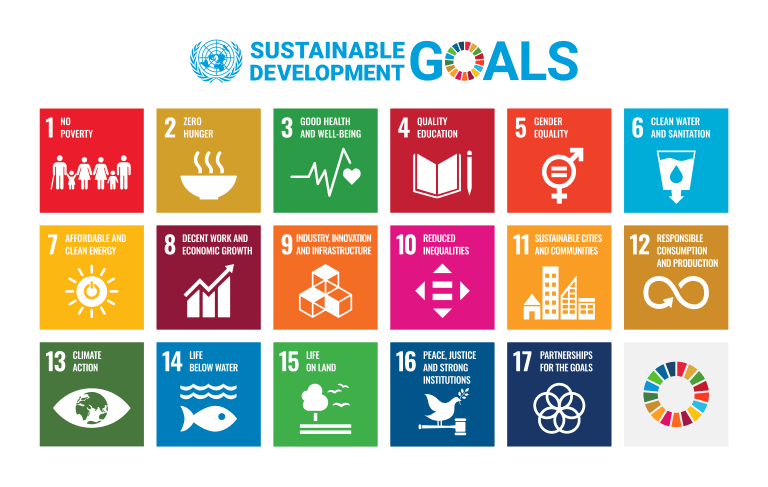
Meath County Council maintains a publicly accessible SDG Mapping Tool that links every DZ sustainable projects and actions to the relevant UN Sustainable Development Goals (SGD’s). Community groups can submit projects such as water refill stations or community gardens, renewable energy installations, which are then verified and displayed on the interactive map in relation to their relative SDG’s.
Get Involved
County Meath’s DZ programme reflects a broad, inclusive and community‑focused approach to sustainability. From up‑cycling workshops to plastic‑free sports clubs, from sustainable festivals to SDG‑linked community gardens, the County Council is enabling climate action to become a living, everyday reality throughout communities in the council.
If you would like to help support and be a part of DZ initiatives across Meath County please contact:📧 climateactionmcc@meathcoco.ie
Visit our library of community stories

Search Community Stories By Map